Bantry House and Gardens: A 2026 Visitor Guide
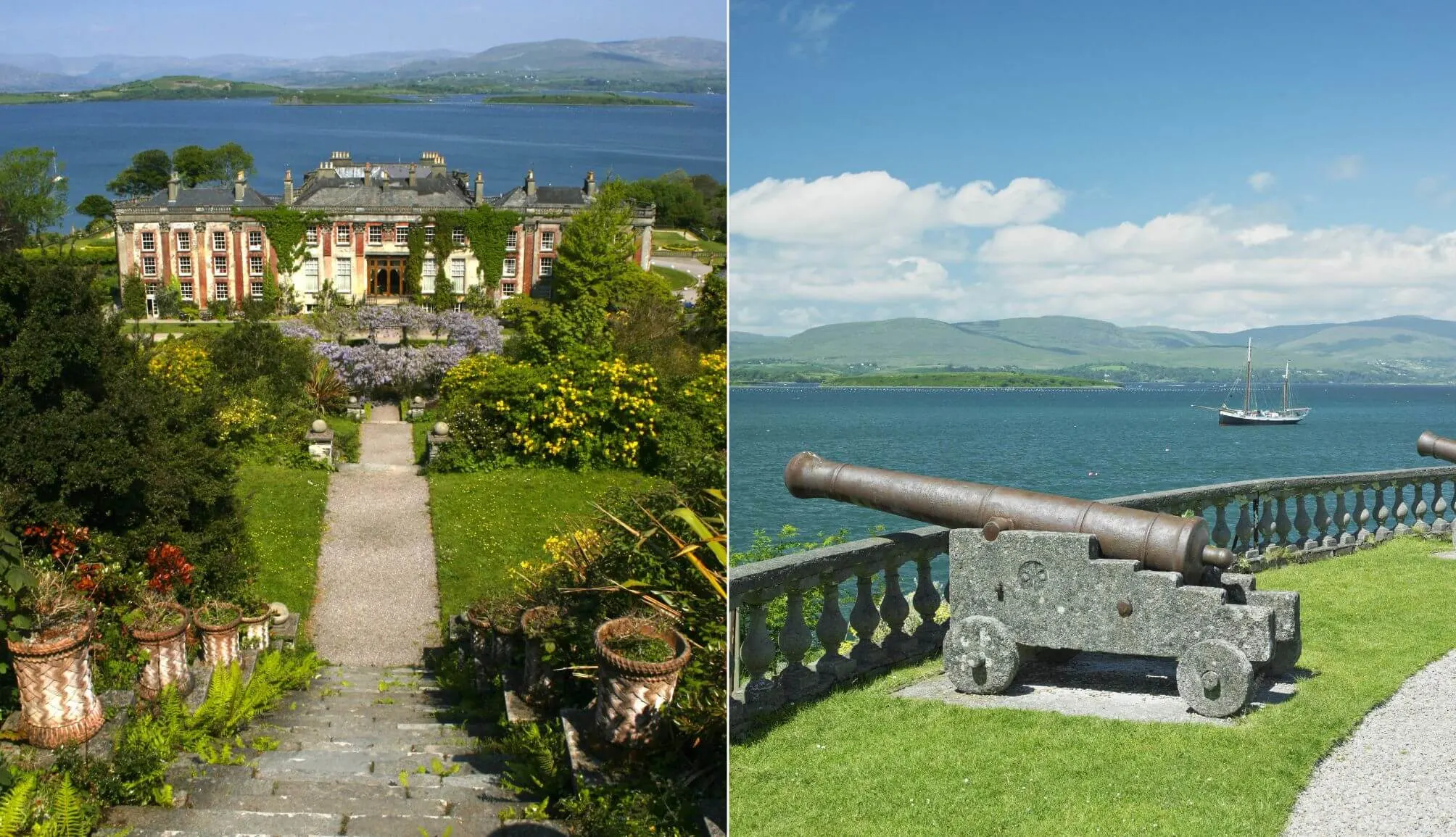
Overlooking Bantry Bay since 1710, West Cork’s Bantry House is one of the most impressive historic estates in Ireland.
Inside, you’ll find rooms filled with original art and furnishings collected during grand European tours, while outside, seven terraces rise above the bay with formal gardens, fountains and the famous Hundred Steps.
Whether you come for the tearoom, the gardens or the history, it’s one of the most striking stops on the Wild Atlantic Way.
Visiting Bantry House and Gardens

Although a visit to Bantry House in Cork is fairly straightforward, there are a few need-to-knows that’ll make your visit that bit more enjoyable.
1. Location
You’ll find Bantry House in Cork, just outside of Bantry Town. It overlooks the water in the bay and is conveniently opposite the Whiddy Island ferry pier.
2. Admission
- Adults: €14
- Children (5–16): €5
- Family: €33
- Concession: €11.50
3. Accommodation
If the hotels in Bantry don’t tickle your fancy, treat yourself to a stay at Bantry House where you’ll find six elegant B&B rooms in the East Wing, overlooking the 19th-century gardens. Guests enjoy ensuite comforts, period charm, and the option to book a private tour with the Shelswell-White family.
The history of Bantry House
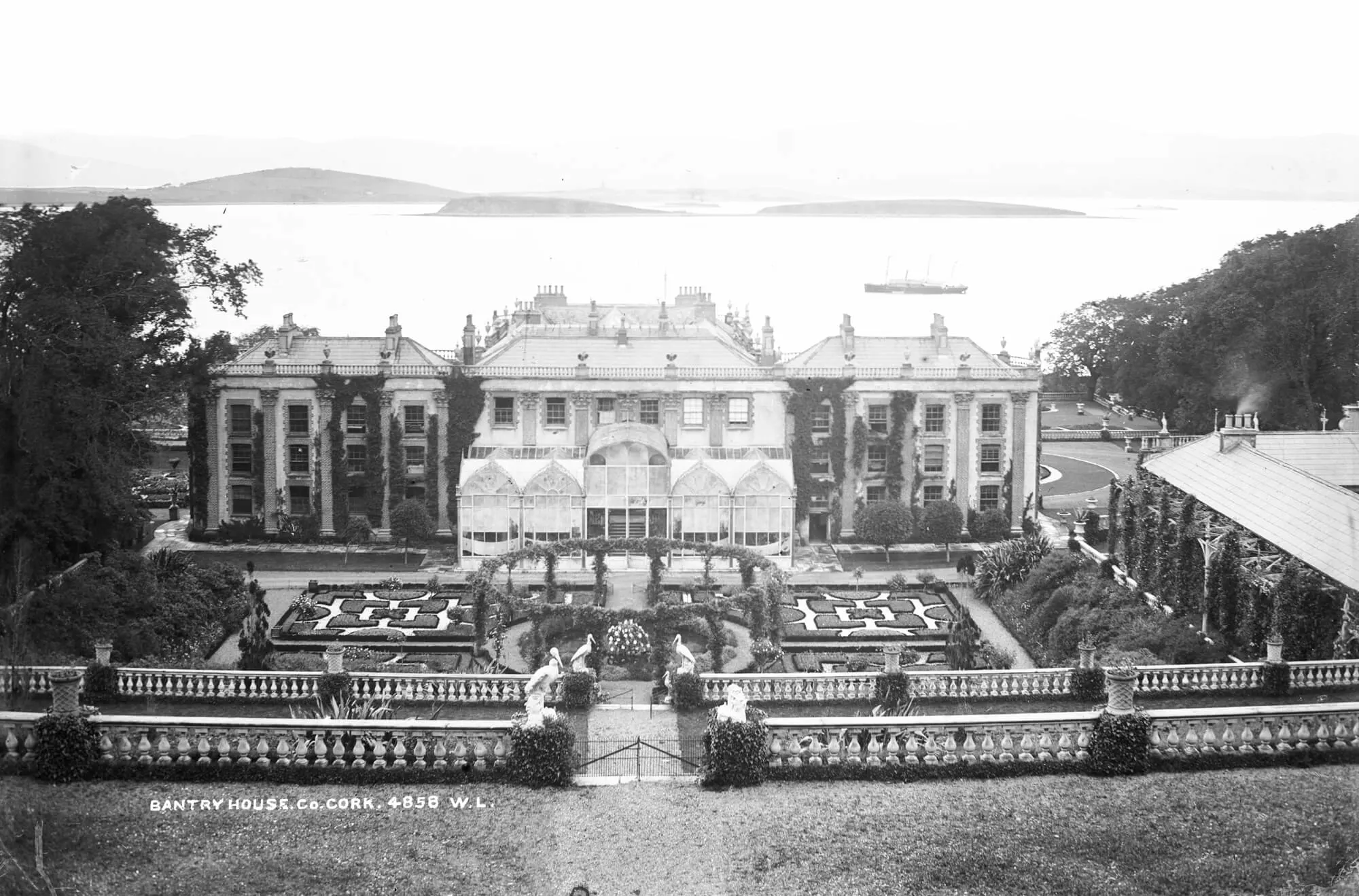
Bantry House has seen over 300 years of ambition, aristocracy, and Atlantic winds. From merchant roots to near-invasion drama, its story is anything but ordinary.
From ‘Blackrock’ to Bantry House (c.1710–1765)
The story begins in 1710 when the original house, known as Blackrock, was built overlooking Bantry Bay. It changed hands in 1750 when Councillor Richard White bought the estate and renamed it Seafield.
He couldn’t have guessed it would remain in his family for centuries, eventually becoming one of Ireland’s most enduring stately homes.
The Rise of the White Family (Late 1700s)
The Whites, former merchants from Limerick who settled on Whiddy Island, quickly climbed the social ladder. By the 1780s, they owned around 80,000 acres of land.
Their rise hit a peak in 1796 when Richard White rallied local forces against a looming French invasion. He was later rewarded with the title of 1st Earl of Bantry.
A Grand Tour and Some Grand Gardens (1800s)
The second Earl of Bantry had a taste for the finer things. Inspired by travels through Italy and France, he and his wife Mary designed the formal gardens still seen today, including the seven terraces, the Hundred Steps, and panoramic views over Bantry Bay.
Wars, Wards, and Withering Times (1900s)
Bantry House served as a hospital during the Irish Civil War and later as an army base during World War II. After the wars, the estate fell into decline. The gardens grew wild, and restoration funds were hard to come by. The house opened to the public in 1946, giving curious visitors a peek behind the velvet curtains.
Rescue Missions and TV Fame (1990s–2010s)
In the late 1990s, a European grant helped revive the gardens. In 2012, Bantry House featured on the TV show Country House Rescue, drawing attention to the huge task of maintaining a 49-room historic estate… and the debts that come with it.
Still a Family Affair (Today)
Remarkably, Bantry House is still lived in and managed by descendants of the White family. Sophie Shelswell-White now leads the charge, balancing wedding bookings, garden restoration, and curious visitors, many of whom don’t realise they’re wandering through a living, breathing family home.
What to see while you’re there
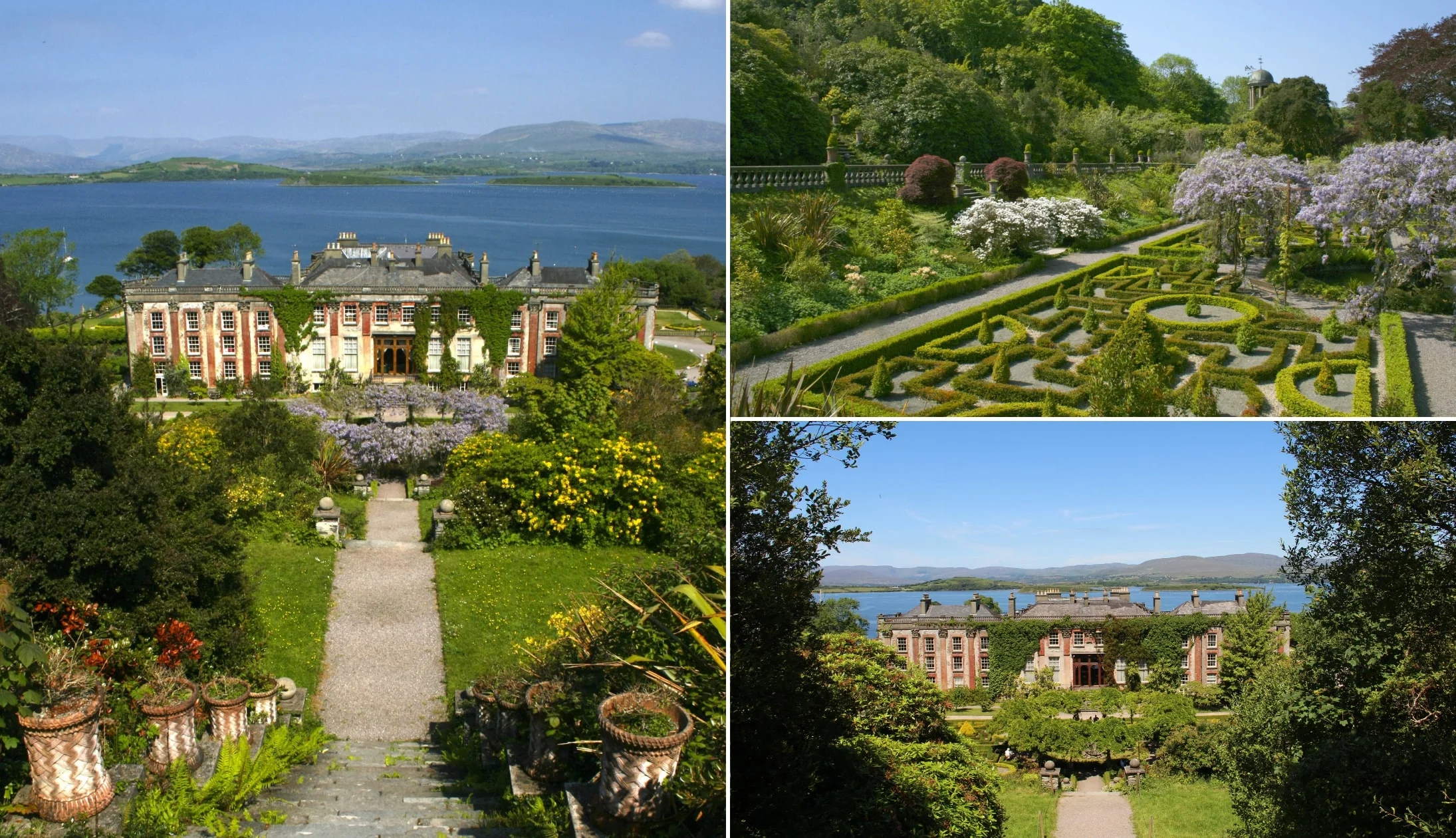
There’s plenty to see and do at Bantry House and Gardens. Here are some of the highlights:
1. Wander through the house
Step inside one of Ireland’s most storied stately homes and explore rooms filled with art and furniture collected by the second Earl of Bantry during his grand tours. Self-guided visits are the norm, with short briefings on the house’s colourful past given throughout the day.
2. Climb the steps
Make your way up the iconic stone staircase behind the house. The climb is a bit of a leg-burner, but the views out over Bantry Bay from the top are spectacular.
3. Explore the gardens
Rambling paths lead through manicured terraces, bubbling fountains, and quiet woodland. There are two looped trails: one climbs to the top of the steps (Old Ladies Walk), while the other follows a stream to the long-abandoned Walled Garden.
4. Sample the afternoon tea
Drop into The Tearoom for tea, cake or a light snack in a plush setting. Or go full Bridgerton and pre-book a picnic basket to enjoy among the lawns and flowers.
What to do nearby
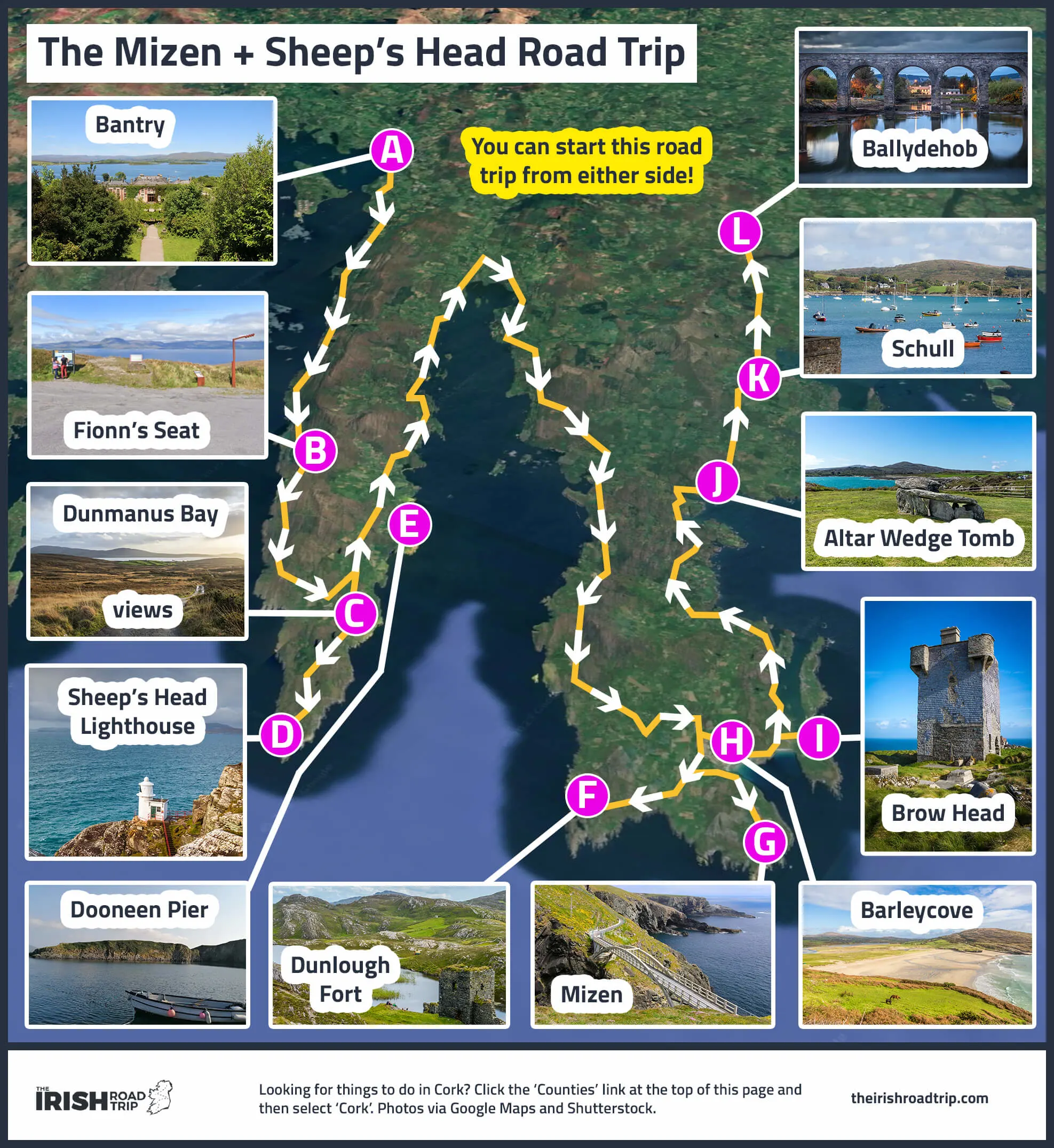
When you leave the house and gardens, you can explore more of Bantry, try the Sheep’s Head and Mizen road trip outlined in the map above or visit:
- Glengarriff Nature Reserve: 300 hectares of woodland with walking trails and scenic lookouts near the village
- The Beara Peninsula: A rugged coastal region best explored via the Ring of Beara scenic drive from Kenmare to Glengarriff
- Healy Pass: A dramatic mountain pass over the Caha Mountains with winding bends and epic views
- Whiddy Island: Peaceful island in Bantry Bay known for birdlife, nature, and quiet coastal trails
- Garnish Island: 37-acre garden island near Glengarriff with historic buildings and ferry access

Keith O’Hara has lived in Ireland for 35 years and has spent much of the last 13 creating what is now The Irish Road Trip guide. Over the years, the website has published thousands of meticulously researched Ireland travel guides, welcoming 40 million+ visitors along the way. In 2022, the Irish Road Trip team published the world’s largest collection of Irish Road Trip itineraries. Keith lives in Dublin with his dog Toby and finds writing in the 3rd person minus craic altogether.