

Many people drive through County Cavan without realising they’re passing through one of Ireland’s most water-rich and historically layered landscapes.
This is a county shaped by drumlins, lakes, and old border politics, where early Gaelic lordships, plantation towns, and market centres grew side by side.
In this guide, you’ll find a heap of things to do in Cavan, from the Burren Park and Dún na Rí to castles, caves and plenty more!
The best things to do in Cavan

Photos via Gartlan’s on FB
Cavan is made for slow exploring: lakes you can kayak, forests you can wander, and small towns where a good pub still matters.
Below you’ll find a mix of outdoor spins, history-heavy stops, and easy wins for stretching a morning into a full day.
1. Spend a morning kayaking around the fairytale-like Clough Oughter Castle

Photos via Shutterstock
The fairytale-like Clough Oughter Castle is part of the Marble Arch Geopark and is situated next to the picturesque Killykeen Forest Park (next on our list).
The castle itself sits on a what’s known as a Crannog – a man-made island – and is only accessible by boat, canoe or kayak.
If you fancy seeing Clough Oughter Castle up close, you can head out on the water with the lads at Cavan Adventure Centre.
They offer a 3-hour kayak tour for around that’ll take you out onto the lake and around the castle.
2. And then head for a ramble around Killykeen Forest Park
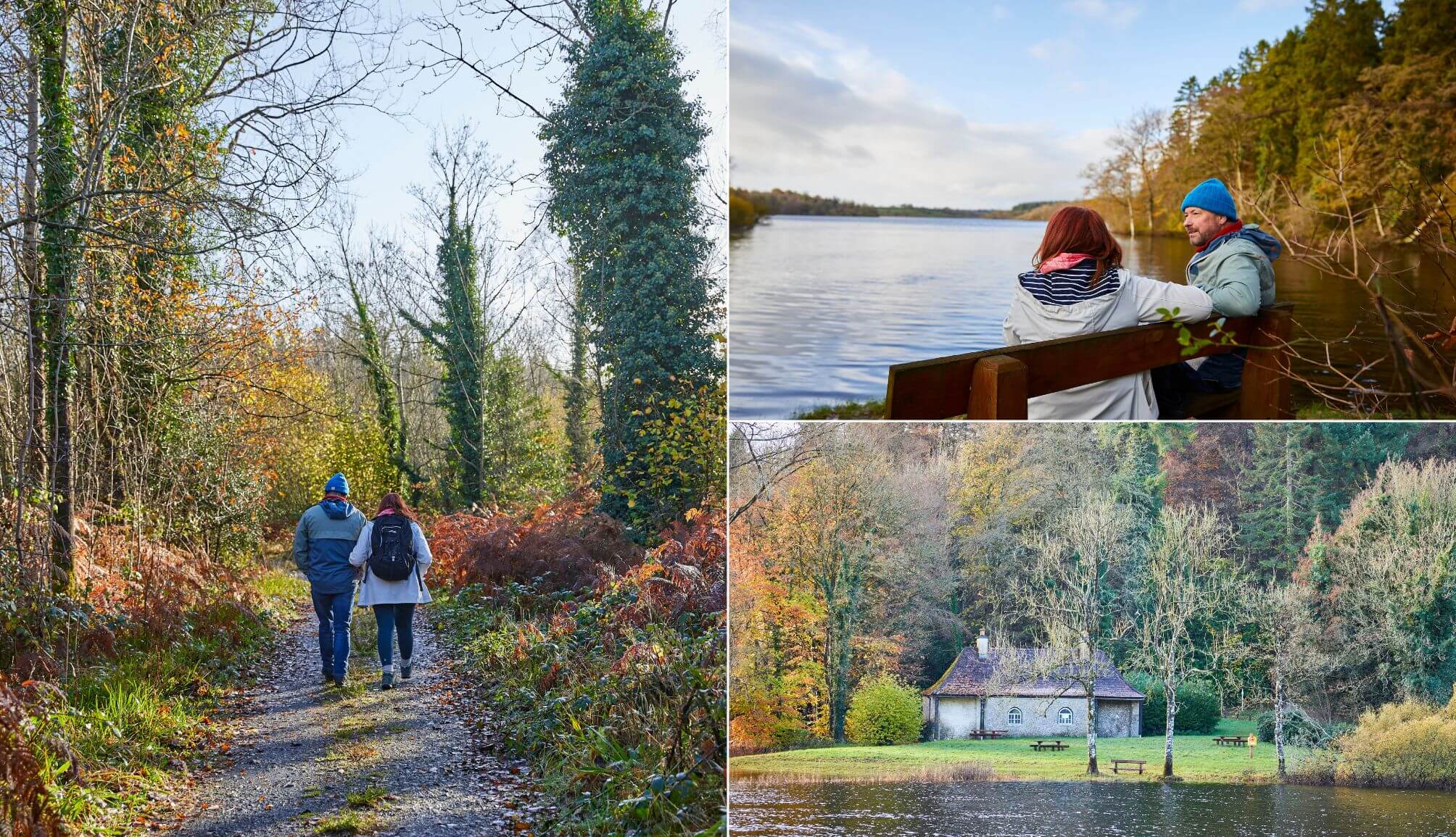
Photos Courtesy Failte Ireland by Outlier
A bit of adventure on the water is perfectly paired with a ramble in Killykeen Forest Park.
The Forest wraps around the Lough Oughter network of lakes and boasts a number of trails that are perfect for a lazy Sunday stroll.
There are several easy-to-follow signposted walks that’ll take you on a ramble along the lakes shore and through the woods.
Get out. Stretch the legs. And gulp down that fresh forest air.
3. Treat yourself to a stay at Cabra Castle
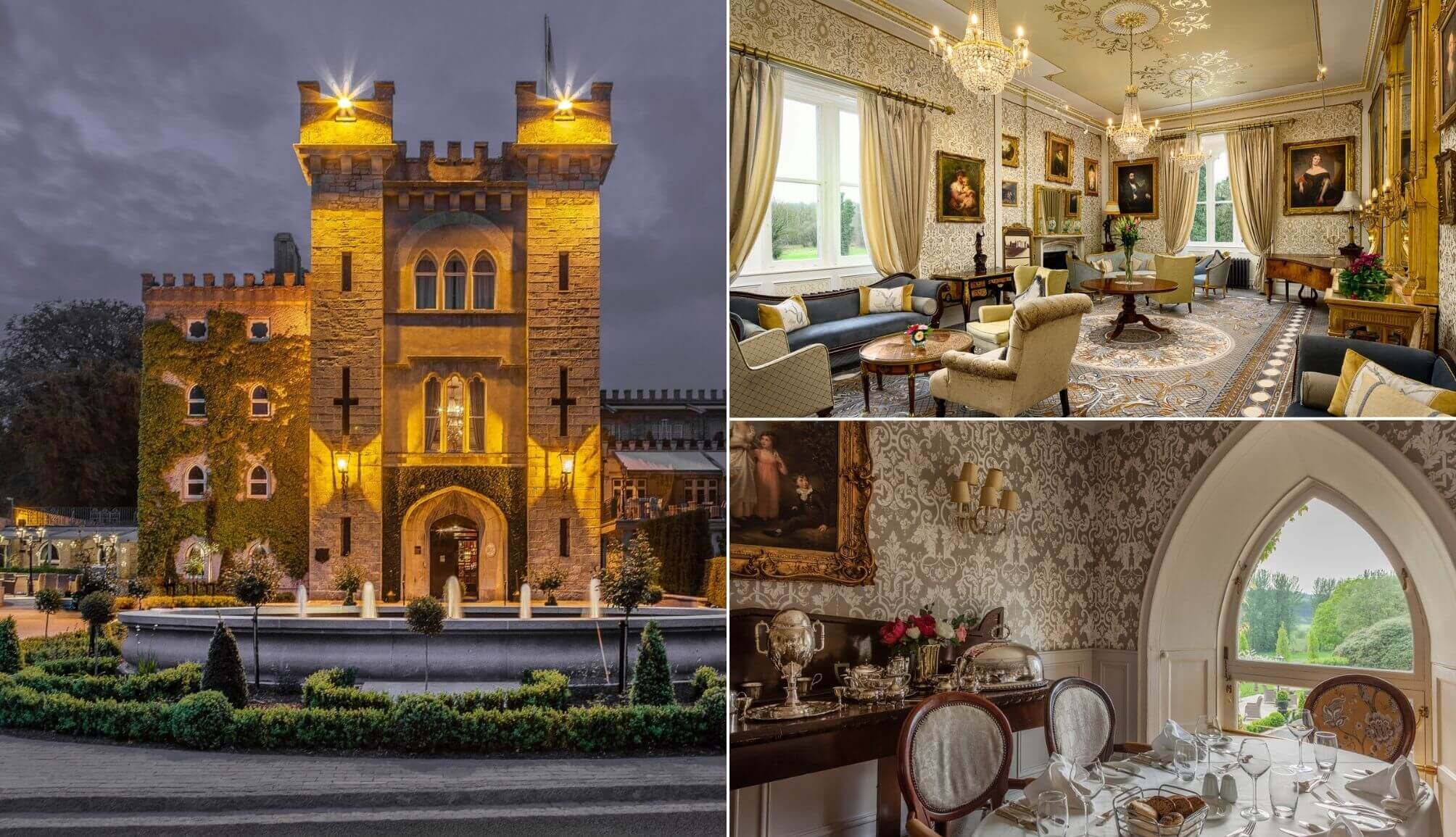
Photos via Cabra Castle on FB
Afternoon tea at Cabra Castle is a classic indulgence and a good excuse to step inside one of the county’s grandest buildings.
The current castle dates to the early 1800s and was built for the Pratt family, who owned a vast estate here for generations.
What you see today is the result of later Victorian additions and a careful restoration before it reopened as a hotel in the 1990s.
Tea is served in the castle setting rather than a side café, which is the whole point. Expect a formal spread and a slow pace. It’s book-ahead only and usually busy, especially at weekends.
Prices start at €35 per person, with sparkling and cocktail options available if you want to lean into it. This is about the experience, not speed, so give yourself time.
4. Explore the Cavan Burren Park
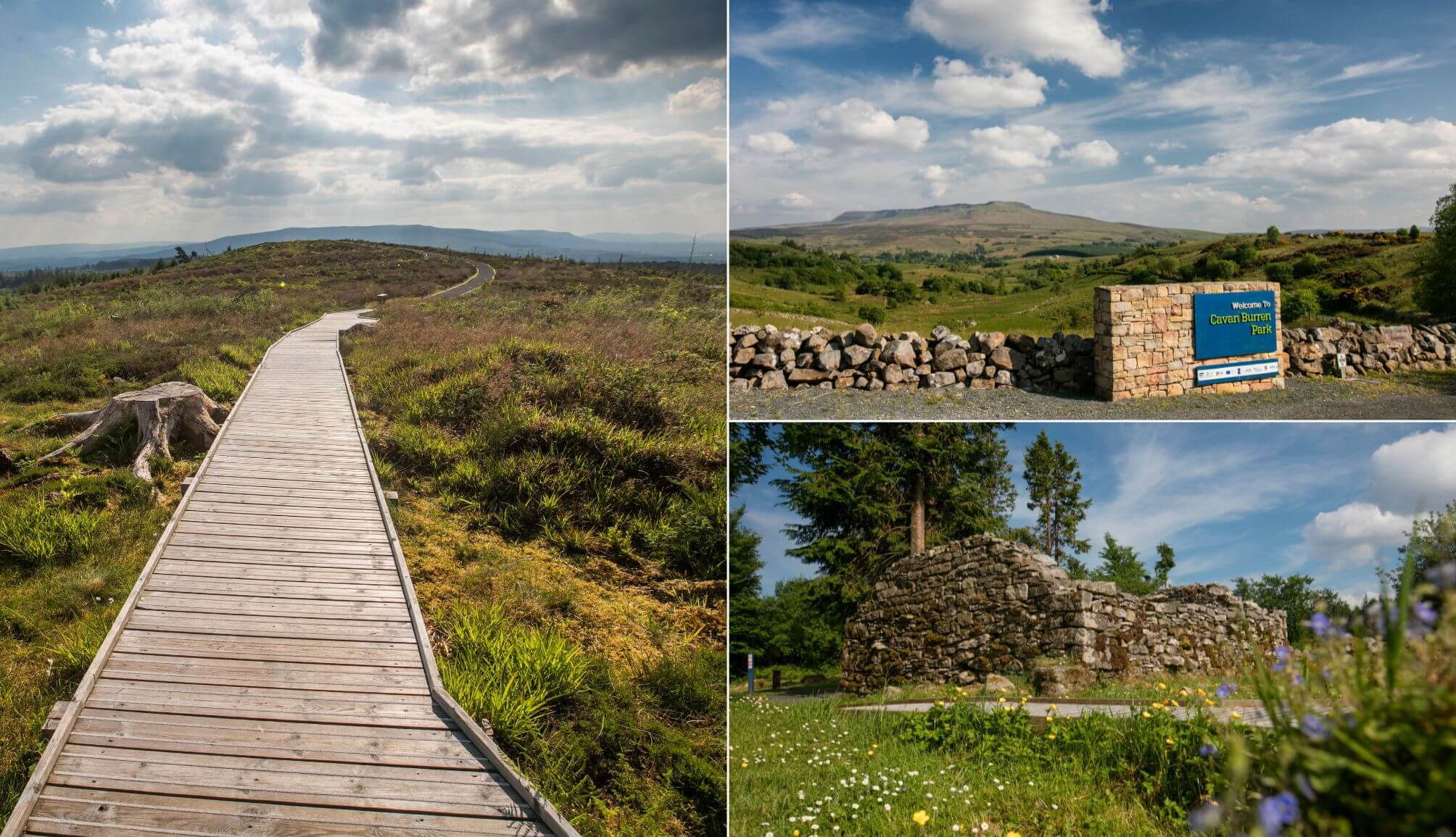
Photos Courtesy Brian Morrison via Fáilte Ireland
Cavan Burren Park sits just outside Blacklion in west Cavan and packs a lot into a small upland area. The park has over 10km of marked trails across limestone pavement, bog bridges, and open ground.
If you are short on time, I would start with the Calf House Dolmen or Giant’s Leap loops, as both reach wedge tombs and open views quickly without a long slog.
Trails range from 1.3km to just under 3km, with gentle but steady climbs. The 26km Cavan Way also cuts through the park between Dowra and Blacklion, so expect through-walkers at times.
Entry is free, and maps are available at the interpretive centre. If you’re wondering what to do in Cavan on a fine day, look no further!
5. Nurse a post-adventure tipple in the 107-year old Gartlan’s pub
Photos via Gartlan’s on FB
Gartlan’s (The Thatch) sits on Lower Main Street in Kingscourt and they’ve been pouring pints here since the late 1700s.
This is a working pub first and a landmark second. The thatched exterior pulls you in, but it’s the inside that matters.
Low ceilings, a crackling fire, old photos, live music and a great pint – what more could you ask for?!
6. Head off in search of the source of the Shannon
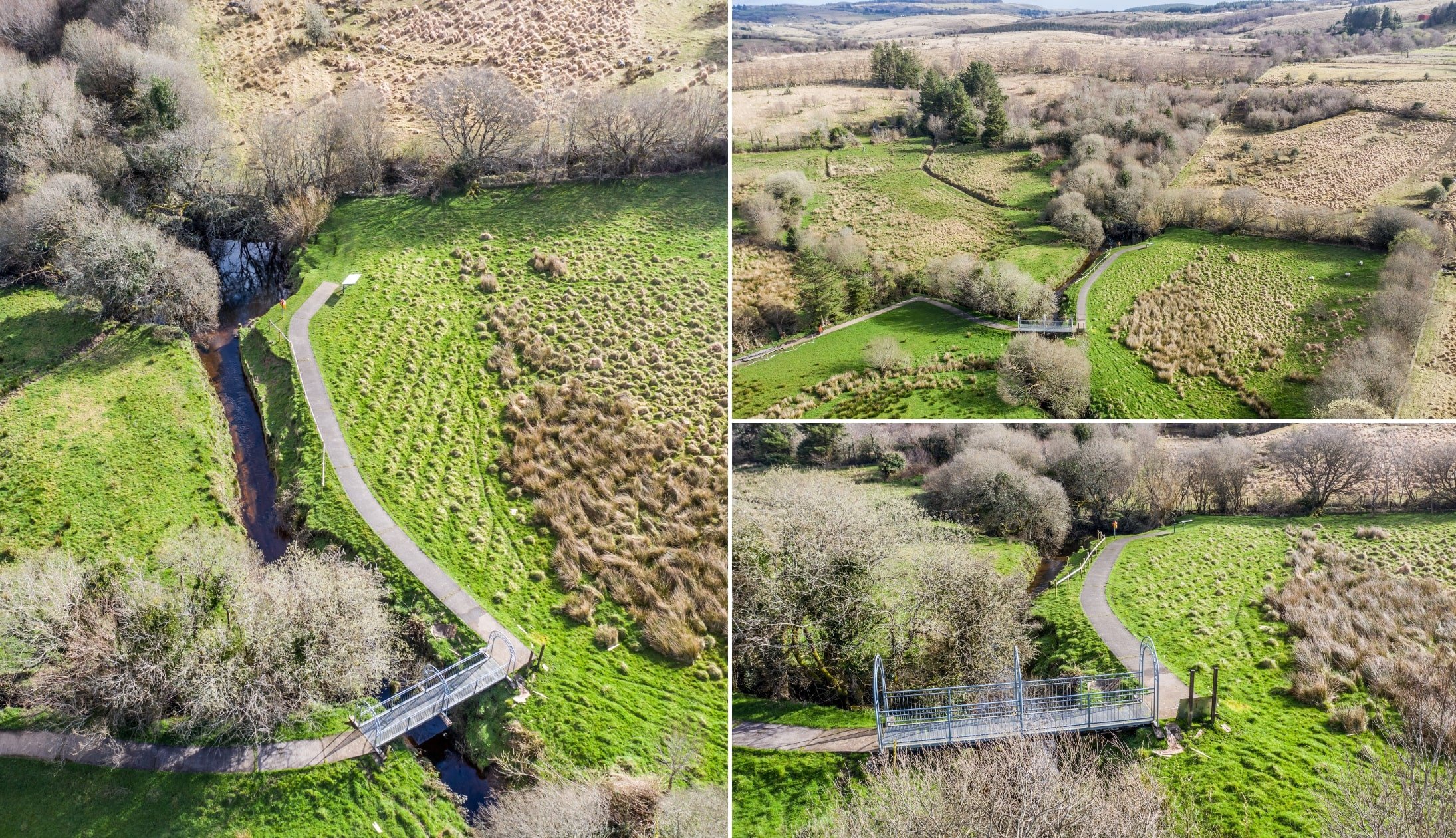
Photos via Shutterstock
One of the more unique places to visit in Cavan is the Shannon Pot, which sits in quiet upland countryside and is traditionally recognised as the surface source of the River Shannon.
What you see on arrival is a deep, circular pool rather than a flowing channel, fed by underground water moving through limestone caves below.
The pool measures roughly 16 metres across and often appears still, even when water is rising from beneath.
Access can be intermittent due to construction of a new discovery centre, with expanded visitor facilities expected to open in early 2026.
7. Kick-back and listen to the water crash at Tullydermot Falls
Photos via Shutterstock
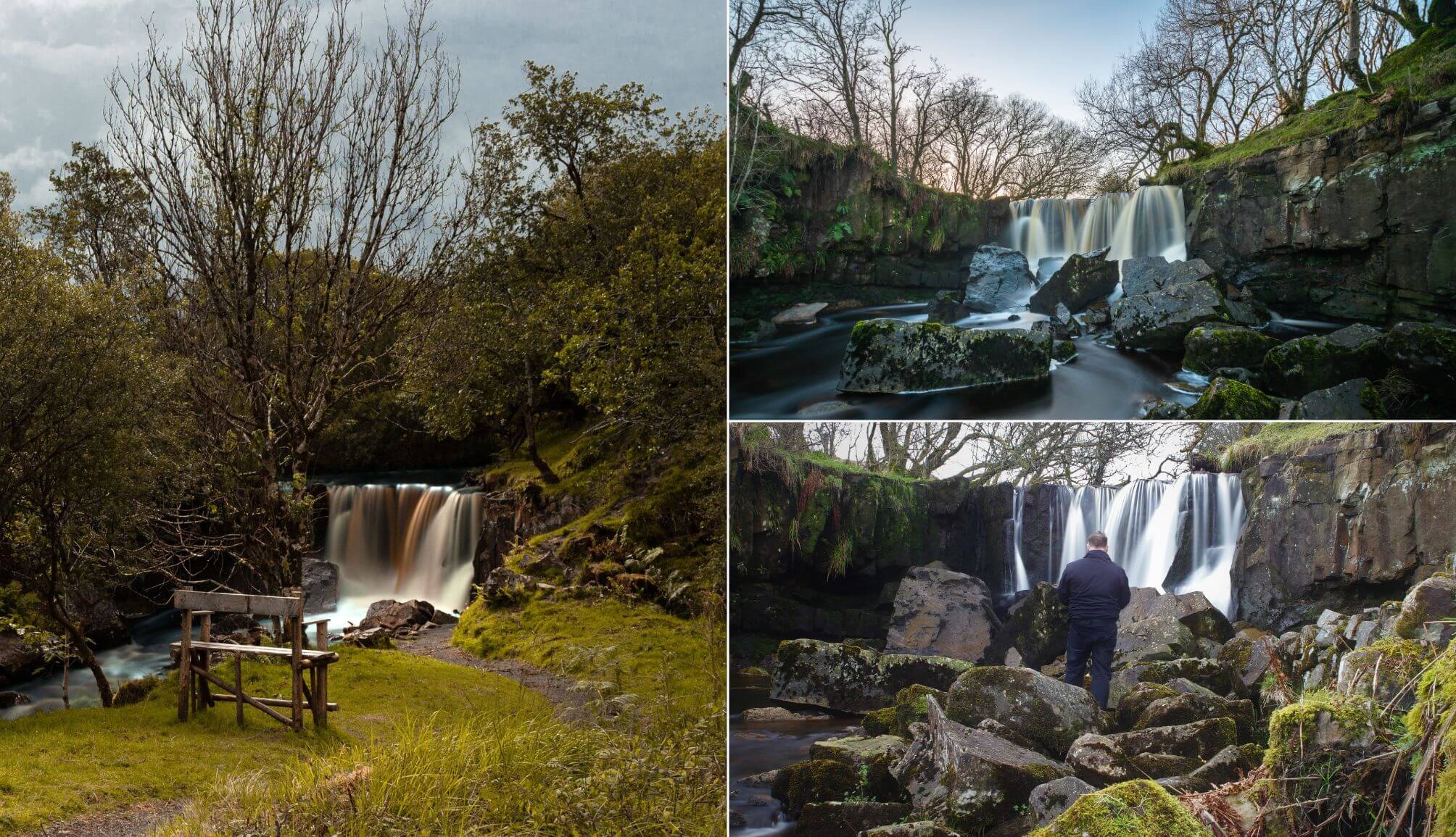
Tullydermot Falls lies in the Cuilcagh uplands near Swanlinbar. A short, well-surfaced path leads from the small car park to the main viewing area and is suitable for wheelchairs, buggies, and anyone avoiding uneven ground.
The falls drop over layers of sandstone and softer limestone shale, which gives them their stepped shape and explains why part of the face collapsed during heavy weather in 2009.
The flow strengthens quickly after rain and changes the look of the place. If you want more than the main viewpoint, you can follow the river upstream to quieter sections with smaller drops and rapids. Most visits last around 20 to 30 minutes, longer if you wander.
8. Head for a ramble in Dún na Rí Forest Park

Photo © The Irish Road Trip
Dún na Rí Forest Park sits just outside Kingscourt and works well if you want an active break without committing to a full hike.
The park is laid out around a river valley with broad paths, short loops, and plenty of shade, so you can tailor the walk to your energy levels.
There are four signposted trails, including an easy-access route and longer river and woodland loops. None are overly demanding, but all are varied, with old trees, sculptures, and the ruins of Fleming’s Castle dotted along the way.
This is a good choice for a relaxed leg-stretcher, a family walk, or a recovery day between bigger adventures elsewhere in Cavan.
9. Step back in time at Cavan County Museum

Photo via This Is Cavan
The County Museum is one of the best places to visit in Cavan to get proper context before you head out exploring.
Housed in a former Poor Clare convent from 1872, it covers Cavan’s story from prehistory right through to the 20th century, without padding or gimmicks.
The standout is the outdoor WWI Trench Experience, the largest full-scale replica trench open to the public in Ireland or the UK, rebuilt using period military manuals.
Inside, highlights include the Killycluggin Stone, bog butter, Sheela-na-gigs, and well-curated exhibitions on the Famine, 1916, Percy French, and local folklore.
10. Explore the magnificent Marble Arch Caves
Photos via Shutterstock
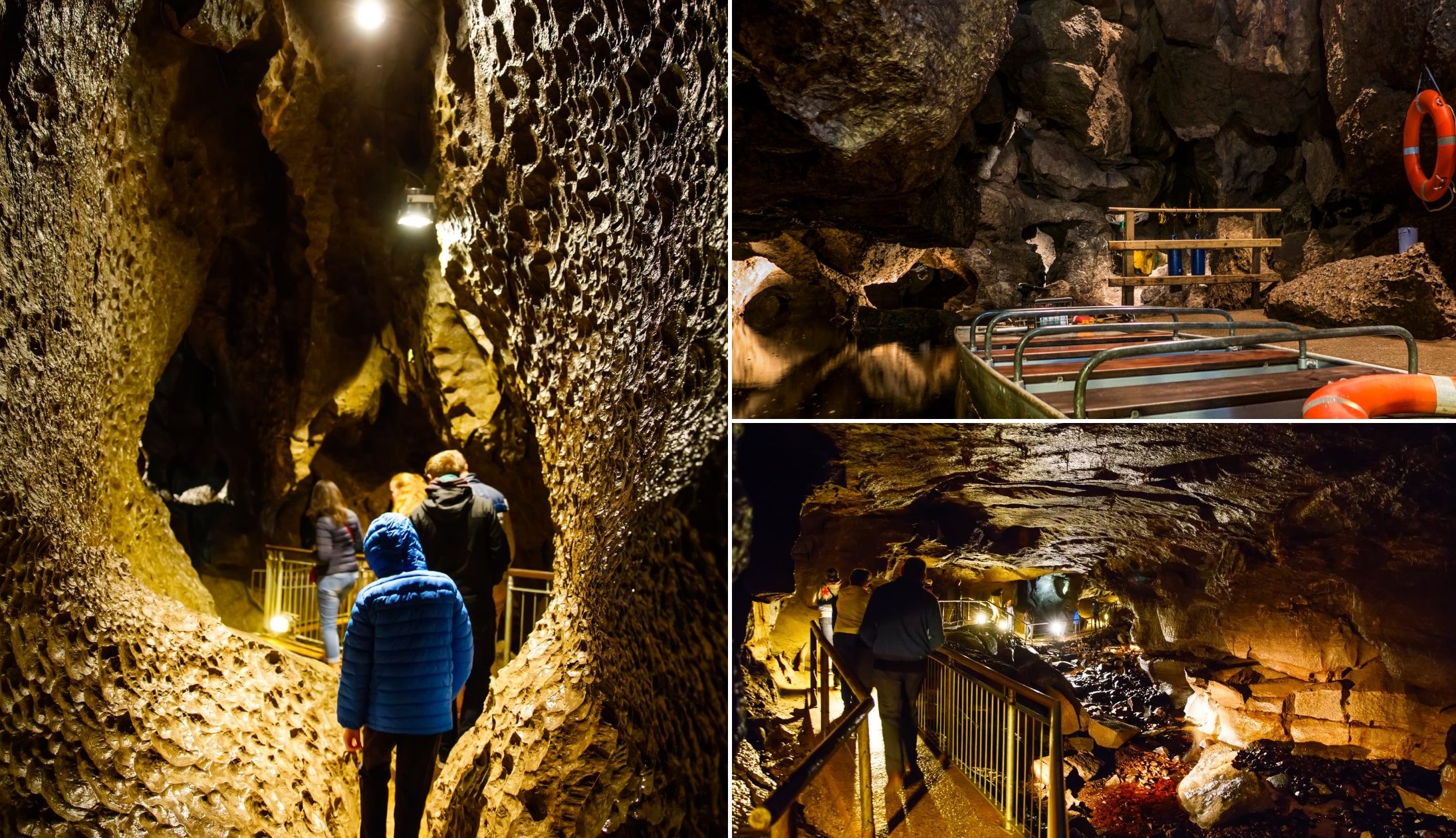
You might be wondering why the Marble Arch Caves appear in a Cavan guide. There’s a clear reason.
The caves are part of the Marble Arch Caves Global Geopark, a single, joined-up landscape that stretches across both Cavan and Fermanagh.
It was the world’s first cross-border UNESCO geopark, jointly managed on both sides of the border, so many of the key sites naturally spill across counties.
The cave system itself lies just over the border near Florencecourt, but it’s fed by the same limestone landscape you walk through in west Cavan.
At roughly 11.5 kilometres long, it’s the longest known cave system in Northern Ireland and an essential piece of the wider Cavan–Fermanagh story.
11. Take the Castle Trail at Saunderson Demesne
Photos via Shutterstock
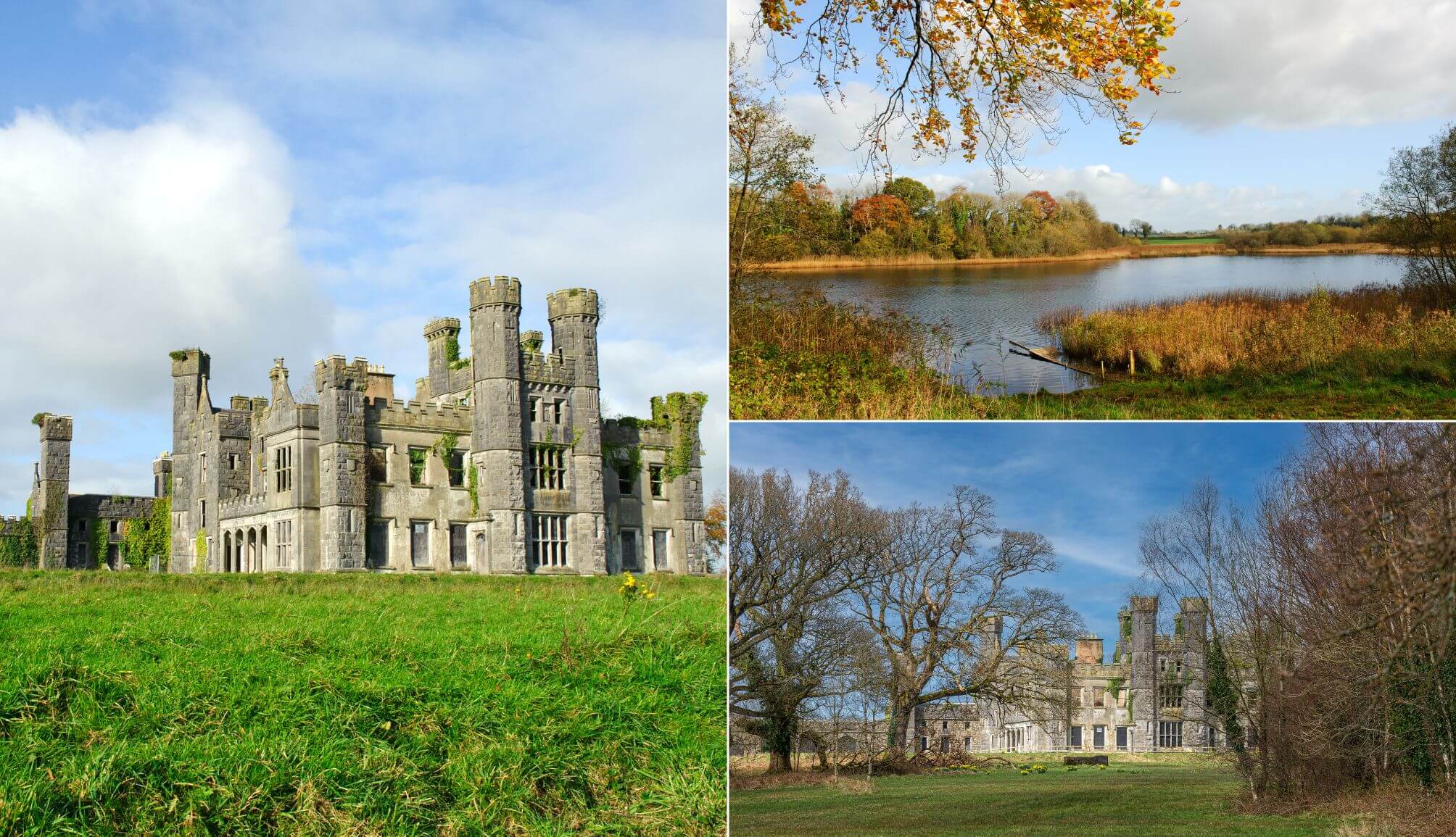
The Castle Trail at Saunderson Demesne is an easy woodland walk set within the Cuilcagh Lakelands UNESCO Global Geopark, and it rewards a slow lap rather than a rushed one.
The Saunderson family acquired the estate during the Ulster Plantation, and the site’s history turns grim quickly. In 1689, the castle was burned during the Williamite War.
Later that same year, around 400 Jacobite soldiers were ambushed here, with many driven into the nearby River Finn and drowned. A later house built on the estate was destroyed by fire again in 1990.
Today, the trail is gentle underfoot, clearly laid out, and best treated as a short, reflective walk rather than a big hike.
12. Walk the Cavan Way

Photo via This Is Cavan
If you’re up for a proper point-to-point walk rather than a casual ramble, the Cavan Way fits the bill.
The route runs for roughly 26km, linking Blacklion to Dowra, and it’s manageable in a long day if you’re used to distance walking and keep the pace steady.
From Blacklion, the trail climbs quickly into open upland, with wide views back over Upper and Lower Lough MacNean.
It then skirts the edge of the Cavan Burren landscape, passing limestone ground and prehistoric remains, including the Giant’s Grave, before dropping back down through quieter farmland near Moneygashel.
This isn’t a technically difficult walk, but it’s exposed in places and there’s very little shelter once you leave Blacklion. Pick a clear day, start early, and plan transport at the Dowra end in advance.
What things to do in Cavan have we missed?
The guides on this site rarely sit still.
They grow based on feedback and recommendations from readers and locals that visit and comment.
Have something to recommend? Let me know in the comments section below!

Keith O’Hara has lived in Ireland for 35 years and has spent much of the last 13 creating what is now The Irish Road Trip guide. Over the years, the website has published thousands of meticulously researched Ireland travel guides, welcoming 40 million+ visitors along the way. In 2022, the Irish Road Trip team published the world’s largest collection of Irish Road Trip itineraries. Keith lives in Dublin with his dog Toby and finds writing in the 3rd person minus craic altogether.
Gerry Freehill
Thursday 26th of August 2021
Drum Lane Abbey Judy outside the village of Milltown 1500yrs Old
Sinead Trudgill
Wednesday 18th of August 2021
Abbey street Cavan and the old abbey Also kilmore cathedral, kilmore (NR crossdoney)
Mention of the river Erne and also trinity island
Agree Cavan museum
Arlene Stenger
Friday 21st of February 2020
I would have loved seeing the County Cavan Museum, but I will be there in April n I see Museum opens in June. My gr gr GGrandparents lived in County Cavan . O’Reilly.